A legjobb mobil kaszinók 2026-ban, kényelmes játékkal
- September 24, 2026

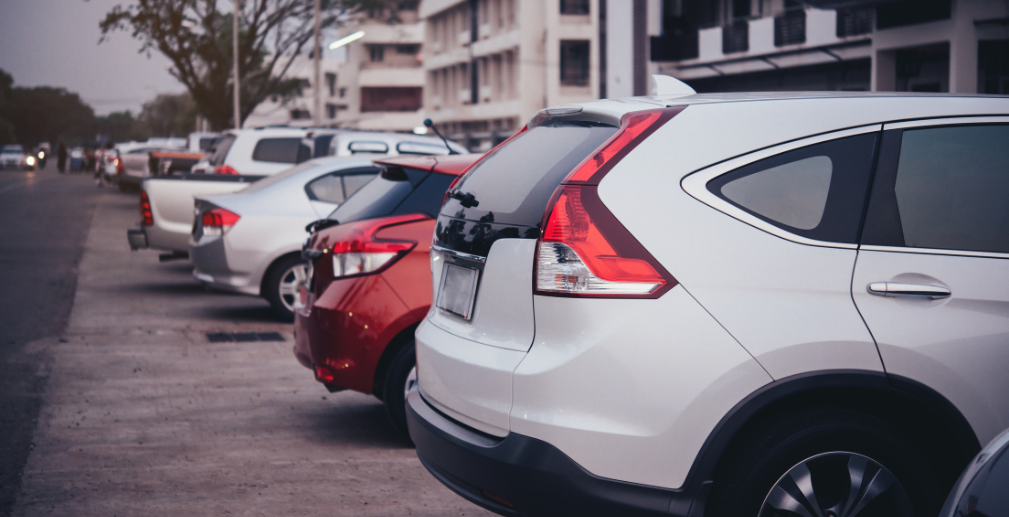
How to Choose the Right Self Drive Car for Your Trip
Self-drive car rentals have become increasingly popular among travelers who want freedom, flexibility, and convenience during their journey. Instead of depending on public transport, taxis, or fixed schedules, people now prefer renting a car and driving at their own pace. Whether it is a quick weekend escape, a family holiday, a business trip, or a long road journey with friends, self-drive cars offer a practical and enjoyable travel option.
However, choosing the right self-drive car is just as important as choosing the destination itself. The wrong car can make your trip uncomfortable, expensive, and even stressful. On the other hand, the right vehicle can improve comfort, enhance safety, save fuel costs, and make the overall travel experience much better.
This blog will help you understand how to choose the best self-drive car for your trip based on your travel purpose, number of passengers, luggage needs, terrain, comfort preferences, and budget.
The first step in choosing the right self-drive car is understanding why you are traveling. The purpose of your trip plays a major role in deciding which type of car will suit you best.
For example, if you are planning a family vacation, you will likely need a spacious vehicle with comfortable seating and enough luggage space. In that case, an SUV or an MPV may be the right choice. If you are traveling alone or with your partner, a hatchback or sedan may be more suitable because it is easier to drive, more fuel-efficient, and generally more affordable.
For adventure trips or journeys to hilly areas, a rugged SUV is often the better option because it offers higher ground clearance, better stability, and improved performance on rough roads. Similarly, for business travel, a sedan may be a smart choice because it offers comfort, a professional appearance, and a smooth driving experience.
In simple words, before selecting any car, ask yourself what kind of trip you are taking. Once that is clear, your options become much easier to narrow down.
One of the most important things to think about is how many people will be traveling with you. Seating capacity matters more than many travelers realize.
A car that looks fine for four people on paper may not actually feel comfortable for four adults on a long trip. If the journey is long, passengers need sufficient legroom, shoulder room, and comfortable seating. Tight seating can make even a short trip tiring and unpleasant.
If you are traveling with family, especially with children or elderly passengers, extra space becomes even more important. The same is true if you are traveling with friends and everyone is carrying bags or personal items inside the cabin.
A good rule is to avoid choosing a car that fits your group only “just enough.” It is usually better to choose a slightly bigger vehicle than you think you need. That extra space can make a huge difference in comfort during the journey.
Many people focus only on seating and completely forget about luggage capacity. This is one of the most common mistakes when booking a self-drive car.
Before you choose a car, think about how many bags you will be carrying and what type of luggage you have. Small backpacks are very different from large suitcases, baby strollers, shopping bags, or travel equipment. Even if the car seats everyone comfortably, insufficient boot space can create problems.
When luggage does not fit properly in the boot, passengers may have to keep bags on their laps or in the seating area. This reduces comfort, limits movement, and can make the car feel crowded and messy. It can also become a safety issue in sudden braking situations.
So, always match the luggage space of the car with the number of travelers and the type of trip. A weekend trip may require minimal luggage, but a family vacation or long-distance road trip will usually need a car with a larger boot.
Your destination should strongly influence your vehicle choice. Different cars perform better in different road conditions, and selecting the wrong type can make driving difficult.
If your travel is mainly within the city, a compact hatchback is usually a smart option. It is easier to park, simple to handle in traffic, and often more fuel-efficient. For urban travel, a small car can save both time and money.
For highway journeys, sedans are often an excellent choice. They offer better ride comfort, smoother handling, and a more relaxed driving experience during long stretches of road. If your trip involves long hours on well-maintained roads, a sedan can make the drive much more enjoyable.
If you are heading to mountains, rural areas, or places with rough or uneven roads, an SUV is usually the safer and more practical option. SUVs generally have better ground clearance, stronger suspension, and improved road stability. These features become very useful on difficult terrain.
In short, do not choose a car based only on looks or price. Think carefully about where you are going and what kind of roads you will face along the way.
The length of your trip also matters when selecting a self-drive car. A car that feels fine for a short journey may not be ideal for a longer one.
For short city rides or one-day trips, a small and economical car is often enough. It helps you save money while still meeting basic travel needs. But for longer journeys, comfort becomes much more important.
When you are driving for several hours or for multiple days, you need better seats, smoother suspension, more cabin space, and features that reduce driver fatigue. A cramped or uncomfortable car can quickly turn a fun trip into a tiring one.
Long journeys require a vehicle that supports the driver and passengers throughout the travel period. Good seating posture, enough space to stretch, proper cooling, and a stable ride all become far more valuable over time.
So, always choose your car not just for the destination, but also for how long you will be spending inside it.
Fuel cost is a major part of your travel budget, especially for long-distance trips. That is why mileage should always be part of your car selection process.
A fuel-efficient car can significantly reduce total trip expenses. If you are planning to travel hundreds of kilometers, even a small difference in mileage can make a noticeable difference in cost. Budget-conscious travelers should pay special attention to this.
For city travel or shorter routes, petrol cars are often convenient and widely available. For long highway journeys, diesel vehicles may sometimes be more economical, depending on fuel pricing and availability. Electric vehicles can also be a good option if your route has reliable charging stations and you are comfortable planning around charging needs.
The best choice depends on your route, trip distance, and access to fuel or charging infrastructure. A car may have a low rental cost, but if it consumes too much fuel, the total cost of the trip can become much higher.
Always look at the full travel cost, not just the daily rental rate.
Safety should never be treated as optional. When you are driving on unfamiliar roads, in changing weather, or across long distances, safety features become even more important.
At a minimum, check whether the car has essential features such as airbags and ABS. Additional features like rear parking cameras, parking sensors, traction control, electronic stability systems, and child safety locks can make the journey safer and easier.
If you are traveling with family, children, or elderly passengers, safety should be one of your top priorities. Even solo travelers should avoid compromising on safety just to save a small amount of money.
A well-equipped car can help prevent accidents, support the driver in difficult situations, and provide better control on unknown roads. Peace of mind during a trip is worth much more than a small difference in rental cost.
Comfort and convenience features may seem secondary at first, but they greatly improve the travel experience.
Air conditioning is essential, especially during hot weather or long drives. GPS or navigation support is very useful when you are visiting a new destination. Mobile charging ports help keep your devices powered throughout the trip. Bluetooth and music systems can make long journeys more enjoyable, while adjustable seats improve driving posture and comfort.
Another important choice is whether to go for an automatic or manual car. Automatic cars are especially helpful in heavy traffic and can reduce driving stress. Manual cars may still be preferred by some experienced drivers, but convenience features should always be considered according to your personal driving style.
A trip becomes much more comfortable when the car supports your practical needs instead of forcing you to adjust to limitations.
Budget is naturally one of the most important factors when choosing a self-drive car. But the key is to balance affordability with comfort, safety, and practicality.
Many travelers focus only on the rental price and forget about other expenses. The actual trip cost can include fuel, toll charges, parking fees, and the security deposit. In some cases, add-ons like extra kilometers, insurance upgrades, or late return penalties can also increase the total amount.
Instead of simply choosing the cheapest available option, look for the best value. A slightly higher rental cost may be worth it if the car offers better mileage, more comfort, stronger safety features, or fewer hidden charges.
Smart budgeting is not about spending the least. It is about spending wisely for a smoother and better travel experience.
Before confirming your booking, always read the rental terms carefully. This step is often ignored, but it can save you from unexpected costs and confusion later.
Check what the insurance covers and what it does not. Understand the fuel policy, whether the car must be returned with the same fuel level, and whether there are any kilometer limits. Some rentals have daily or total distance caps, and exceeding them may result in extra charges.
Also pay attention to late return penalties, security deposit rules, and the availability of roadside assistance. In case of a breakdown or emergency, knowing what support is included can make a big difference.
A clear understanding of rental terms helps you travel with confidence and avoid unpleasant surprises during or after the trip.
Never take delivery of a self-drive car without inspecting it properly. This is an important step that protects you from unfair damage claims later.
Start by checking the exterior of the car for scratches, dents, cracks, or any visible damage. Look at the tires to make sure they are in good condition. Then test important functions such as the headlights, brake lights, indicators, brakes, air conditioning, and fuel level.
It is also a good idea to take clear photos or videos of the car before starting your trip. This gives you proof of the car’s condition at the time of pickup. If you notice any issue, report it immediately to the rental provider and get confirmation from them.
A few minutes of inspection at the beginning can prevent major disputes at the end of the trip.
Choosing between an automatic and manual car depends mainly on your driving comfort, confidence, and the nature of the route.
Automatic cars are usually better for city traffic, stop-and-go driving, and relaxed travel. They reduce the need for constant gear changes and can make driving easier, especially for beginners or those traveling in crowded areas.
Manual cars, on the other hand, may suit experienced drivers who are comfortable with gear control and may prefer them for certain road conditions. In some cases, manual cars may also be available at a lower rental price.
The best choice is the one that matches your driving habits and helps you feel confident behind the wheel. A trip is more enjoyable when the driver feels comfortable and in control.
Even the best car choice can go wrong if you book from an unreliable provider. That is why choosing a trusted self-drive car rental company is extremely important.
Before booking, check customer reviews and ratings. Look at what past users say about vehicle condition, pricing transparency, pickup experience, customer support, and refund or deposit handling. A reliable provider should offer clear terms, fair pricing, well-maintained vehicles, and responsive support.
Good customer service matters a lot, especially if something unexpected happens during the trip. A professional provider can reduce travel stress and help solve problems quickly.
Trust and transparency should be as important as the car itself.
Many travelers make simple mistakes while choosing a self-drive car, and these mistakes can affect the whole trip.
One common error is choosing a car based only on price. A cheap car may not suit your travel needs and can end up costing more in fuel, discomfort, or extra charges. Another frequent mistake is ignoring luggage space and realizing too late that the bags do not fit properly.
Some people also forget to check mileage, skip vehicle inspection, or overlook rental policies. Others choose the wrong car type for the road condition, such as taking a small city car on rough terrain or a large SUV for narrow urban travel where parking is difficult.
Avoiding these mistakes can save you money, stress, and inconvenience.
Choosing the right self-drive car is not just about picking a vehicle that looks good or seems affordable. The best car for your trip depends on several practical factors, including the type of trip, number of passengers, luggage requirements, terrain, trip duration, comfort preferences, safety needs, and total budget.
When you take the time to think through these details, you are far more likely to enjoy a smooth, safe, and comfortable journey. A well-chosen self-drive car can make travel more flexible, enjoyable, and cost-effective.
So before you make your next booking, plan wisely, compare carefully, and choose a car that truly fits your trip. A smart decision at the beginning can make the entire journey better.
If you want, I can also turn this into an SEO-friendly blog version with meta title, meta description, keywords, and a more engaging promotional tone.