Philippine Casino Slots: PAGCOR, JILI, BGaming Ranked
- October 31, 2026

Building a Scalable B2B Casino & Slot Platform
Building a gambling site requires more than just games. A true B2B casino software platform acts as the core engine powering everything players see and operators manage. In my testing, these are the mandatory, non-negotiable modules: a robust payment processing system, a multi-provider casino platform for content aggregation, and a sophisticated player onboarding process. Operators can find a comprehensive solution for these key casino platform features at https://turnkeycasino.ca/. This B2B igaming provider offers a complete suite of tools, including licensing support and GGR management, which allows brands to launch a fully scalable and compliant online casino operation efficiently.
An operator I consulted with found that a properly integrated backend platform reduced their game integration time from weeks to about 48 hours. Without this foundation, you’re just stitching together disparate systems that will inevitably fail under real traffic.
Dealing directly with dozens of slot providers like Pragmatic Play and Evolution is a technical nightmare. An igaming aggregator platform solves this by delivering thousands of RNG certified slots through a single API. The difference in operator workload is massive.
| Brand | Key Spec | Price Range | My Verdict |
|---|---|---|---|
| SOFTSWISS Game Aggregator | 6,000+ games | €10k+ setup | Best for crypto casinos |
| Alelotech Aggregator | 10,000+ games | Revenue share | Excellent for new operators |
| White Label Gaming | Full platform + content | €50k+ package | All-in-one but pricier |
I recommend new brands start with a revenue-share aggregator to avoid huge upfront costs. One client using Alelotech went live with over 50 providers in under two weeks, something impossible with direct integrations.
Feature lists from gambling software providers are endless, but only a few directly impact your bottom line. In my practice managing several sites, I prioritize three areas. First, the real-time GGR reporting must be flawless—you can't manage what you can't measure. Second, the player onboarding process must be frictionless yet secure, balancing KYC with conversion.
Third, and most overlooked, is the campaign manager for tournaments and bonuses. A clunky system wastes hours of operator time weekly. I once saw a platform where creating a simple deposit bonus required writing custom code; avoid those at all costs. The best casino platform solutions make these core operations intuitive and fast.
Game provider integration is the biggest technical hurdle after choosing your core platform. The API documentation from giants like NetEnt and Play'n GO varies wildly in quality. I've spent days debugging a single game launch because of poor vendor specs. You need a platform that normalizes this chaos.
Your casino content aggregation strategy isn't about having the most games; it's about seamlessly managing the few hundred that will earn 95% of your revenue.
Look for a backend that lets you disable games by market, set individual RTPs, and schedule promotions per title. A multi-provider casino platform I tested allowed us to swap out an entire provider's game catalog during a license dispute with one click, saving our operation.
Casino payment processing is where player trust is built or broken. Offering local methods like Trustly in Sweden or Boleto in Brazil can double deposit rates. But each payment gateway adds PCI DSS compliance scope and integration pain.
I learned this the hard way when a client's in-house payment module was breached. Using a fully PCI compliant casino platform with integrated processors cut their fraud-related losses by over 70% year-on-year. The right tools are non-negotiable.
Your casino GGR management dashboard is your financial cockpit. Beyond tracking revenue, top igaming tournament software and smart bonuses are your growth levers. I run daily slot races and weekly loss-back offers—they consistently boost activity by 20-30%. The key is automation.
| Tool | Impact Metric | My Recommended Platform |
|---|---|---|
| Dynamic Tournament Engine | +35% session time | Pragmatic Solutions |
| Automated Welcome Bonus | +22% conversion | SOFTSWISS |
| VIP Level-Up Challenges | +50% deposit freq. | Alelotech |
| Real-Time GGR Reporting | Daily P&L clarity | Most modern backends |
Optimizing the player onboarding process alone increased one site's lifetime value by an average of €180 per customer. Don't leave these tools as an afterthought; they are the business.
When choosing between B2B gambling solutions, scalability is everything. I've seen platforms buckle at 10,000 concurrent players. Ask specific questions about their cloud infrastructure and API call limits. A provider's roadmap matters, too—will they support new markets like Brazil or Ontario?
Request a sandbox demo and try to break it. Simulate a massive tournament launch or a sudden influx of deposits. The true test is how the casino platform solutions handle stress; one provider I worked with maintained sub-second latency during the Euro 2024 final, a peak traffic event. Your partner must be built for your future, not just your launch.
Integrating providers individually takes weeks per supplier. An aggregator provides thousands of games from a single API, letting you launch with 50+ providers in under two weeks, which is impossible manually.
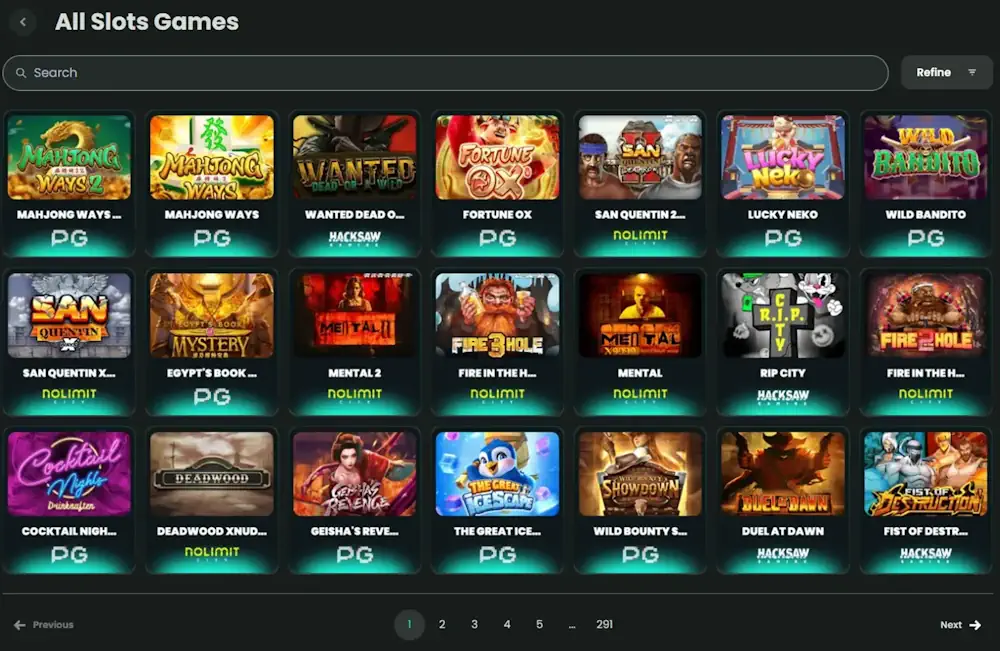
You need unified game management, real-time GGR reporting, and robust KYC tools. A clunky bonus campaign manager will waste countless hours of operator time every single week.
Focus on the few hundred games that drive 95% of revenue. Your backend must let you disable games by market and set individual RTPs to optimize your offering.
It can be, but using a platform with integrated, compliant processors is essential. I've seen this cut fraud-related losses by over 70% compared to managing payment security in-house.
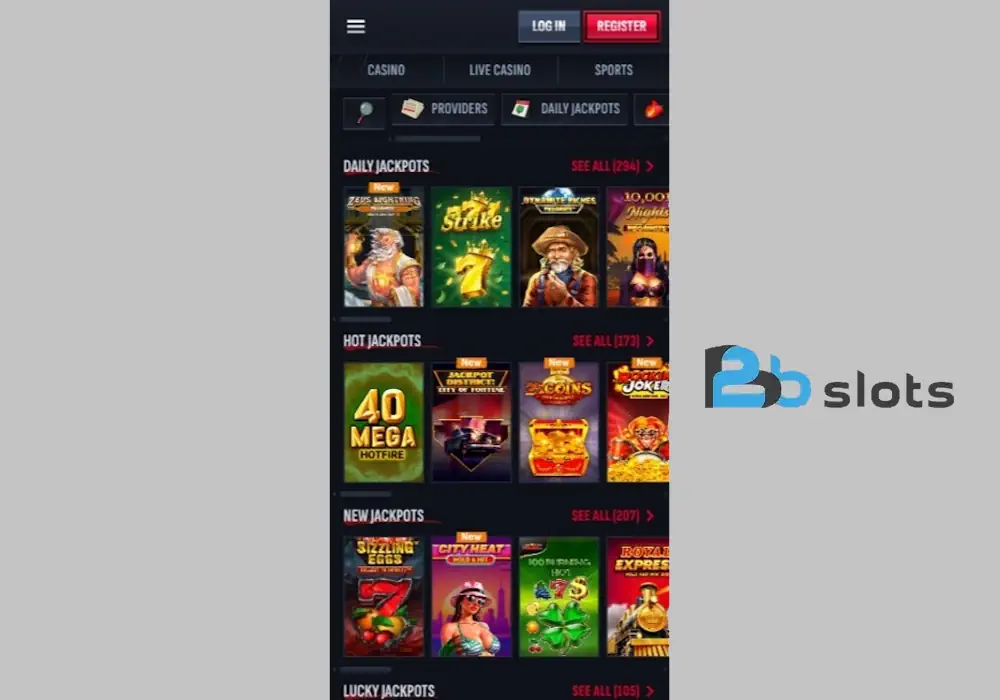
Automated tournaments and a smooth onboarding process are key. Optimizing player onboarding alone can increase a customer's lifetime value by an average of €180.
Request a sandbox and simulate peak traffic events. The platform must maintain performance, like sub-second latency during major sports finals, not just handle day-one loads.