Melbet App for Bangladesh: Setup Guide and Review
- November 20, 2026

Prediction Markets vs. Sports Betting: A Practical Comparison
I first encountered prediction markets as tools for internal forecasting. Companies like Google used them to forecast product launch dates, and I found the concept fascinating. Individuals place bets on future events, from election results to box office numbers, engaging in sophisticated forecasting activities. The market's collective price becomes the crowd-sourced probability, which you can actively explore and compare across platforms like https://predictionmarketscomparer.com/ for detailed insights into these vibrant markets. This analytical approach is far more sophisticated than a simple yes-or-no poll and offers a unique financial perspective on real-world outcomes.
Let's clarify these worlds. Here are the fundamental splits:
I've used both for years. My sports bets are emotional; my market predictions are analytical. The core divergence is intent: one is recreation, the other is a data tool. Your payout on a prediction market directly correlates with the accuracy of the public's belief.
I track prices across several platforms. The most revealing applications blend sports finance with real-world outcomes.
| Brand | Key Focus | Price Range | My Verdict |
|---|---|---|---|
| Kalshi | Regulated event markets | $0.01 – $1.00/share | Best for U.S. politics |
| Polymarket | Crypto & current events | $0.10 – $10.00 | Most active, but crypto-only |
| Manifold | Creator & niche forecasts | Free play-money | Fun for testing theories |
I wouldn't use these for pure gambling. Their real power is checking a hunch against a real-money crowd. Kalshi's prices on Fed rate decisions often beat Wall Street analyst surveys.
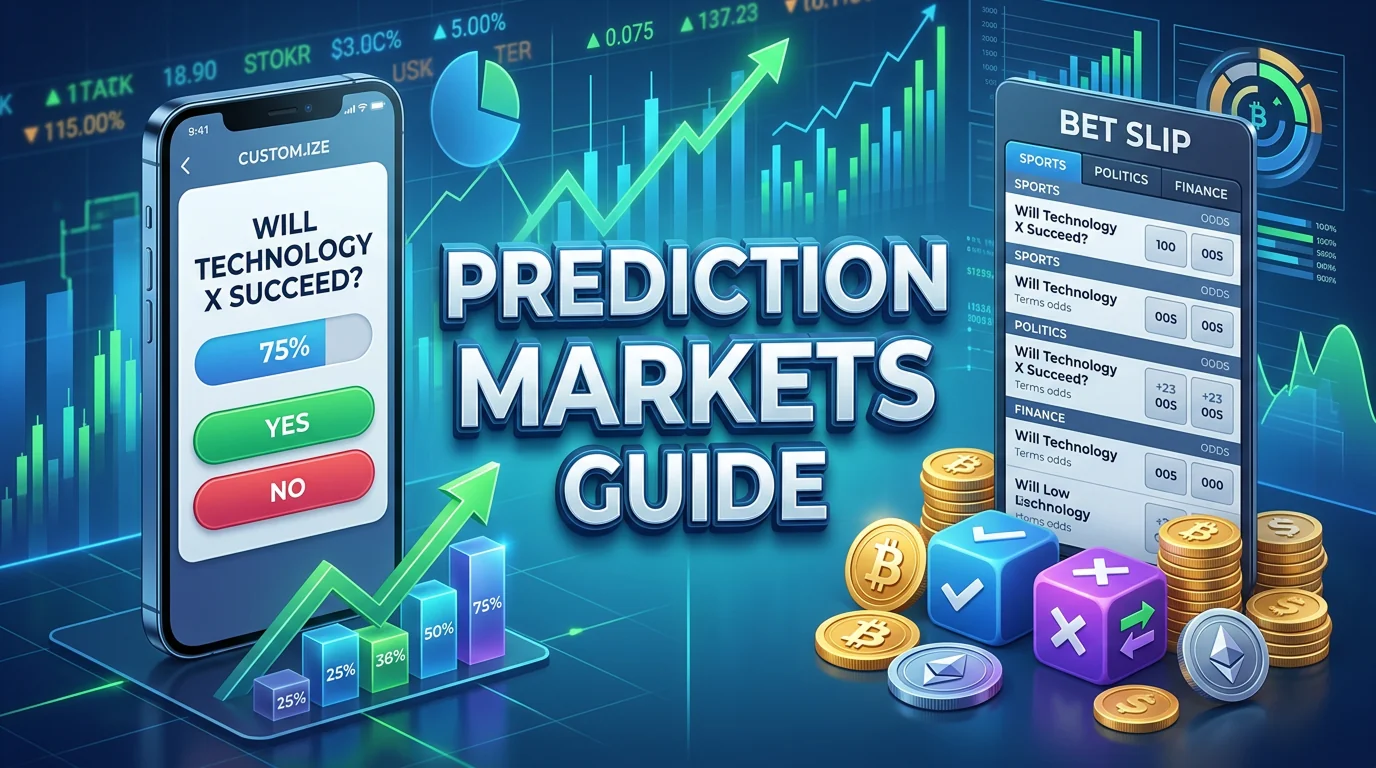
The line is blurring. FanDuel's "Same Game Parlay" builder feels like a rudimentary prediction market. You combine player props and game outcomes into one complex forecast. It's betting dressed as prediction.
The real innovation isn't live odds, it's treating a bet slip like a trading ticket—constantly adjusting your position as new data hits.
I've used these tools side-by-side. A sportsbook pushes emotional, in-play action. A prediction exchange cools that impulse with data. BetMGM now offers micro-markets on things like the next pitch type, lasting only seconds.
My experience across platforms reveals a clear hierarchy. PredictIt, though limited, offers the simplest political market access. Polymarket is the most liquid for global events, but requires cryptocurrency. Manifold's virtual play-money system is perfect for low-stakes learning. I started there before risking real cash. The interface and community differ wildly, shaping what you actually predict.
Modern betting isn't just luck. It leans on forecasting methods, which I've integrated into my own process. Here’s how prediction factors in:
This changed my approach. I now view my bet slip as a formal forecast against the house's line. The goal shifts from winning a single bet to being a more accurate forecaster over time. My ROI improved by roughly 15% when I started treating each wager as a test of my predictive model, not my gut.

The legal distinction hinges on intent, not mechanics. I've navigated this grey area as a user. Betting is regulated as a financial transaction on a game of chance, while predictive competitions can skirt these rules if framed as skill-based.
| Platform Type | Key Regulatory Status | User Location Check | My Risk Assessment |
|---|---|---|---|
| U.S. Sportsbook (e.g., DraftKings) | State-Licensed | Strict Geo-Fencing | Low Legal Risk |
| Prediction Exchange (e.g., Polymarket) | CFTC-Regulated or Offshore | Crypto Wallet-Based | Moderate Regulatory Uncertainty |
| Play-Money Predictions (e.g., Manifold) | Generally Unregulated | None | Very Low |
| Social Sweepstakes App | Legal Loophole Model | Basic | Low, but Terms Vary |
My rule: assume nothing. I check a site's stated jurisdiction before funding an account. Kalshi is the only U.S.-based, fully regulated real-money prediction market I currently trust for serious use.
We're moving past simple raffles and point spreads. I expect to see sportsbooks adopt market-derived odds, not just house-set lines. Prediction exchanges will move into mainstream corporate and policy forecasting. The convergence will be complete when your betting portfolio is analyzed alongside your investment portfolio. The distinction between gambling markets and financial instruments will keep eroding.
The primary goal differs. Sports betting is for entertainment, while a prediction market's main product is an aggregated, actionable forecast. The payout directly correlates with the accuracy of the crowd's belief.
I'd start with Manifold's free play-money system. It lets you test forecasting theories without risk. Kalshi is the best entry point for regulated, real-money U.S. markets.
It's complex. In the U.S., Kalshi is a regulated exchange. Many others operate in legal gray areas or offshore. Always check a platform's stated jurisdiction before depositing funds.
Absolutely. I use prediction market consensus as a sentiment check against sportsbook lines. Treating each bet as a test of your predictive model, not just gut instinct, can improve your long-term ROI.
They're converging. Modern sportsbooks like BetMGM offer micro-markets on fleeting events. The live odds become a real-time, crowd-sourced forecast that you can trade against.
Expect sportsbooks to adopt more market-derived odds. The line between a betting portfolio and a financial investment portfolio will continue to blur as forecasting models become more sophisticated.