Game-Auswahl bei Nine Casino
- October 18, 2026

Turnkey Casino Integration: API, Payments, Launch Timelines
I’ve wired turnkey casino integration projects end-to-end: game content, API, and platform setup. Most teams want 3 APIs—auth, wallet, and game launch—then plug casino game supplier feeds into the turnkey gambling platform.
When I ship turnkey casino sites, I target a 4-8 week timeline. Deliverables are API wiring, https://turnkeycasino.nl/ turnkey gambling platform setup, turnkey casino website UI, and casino launch services plus monitoring.
4-8 weeks
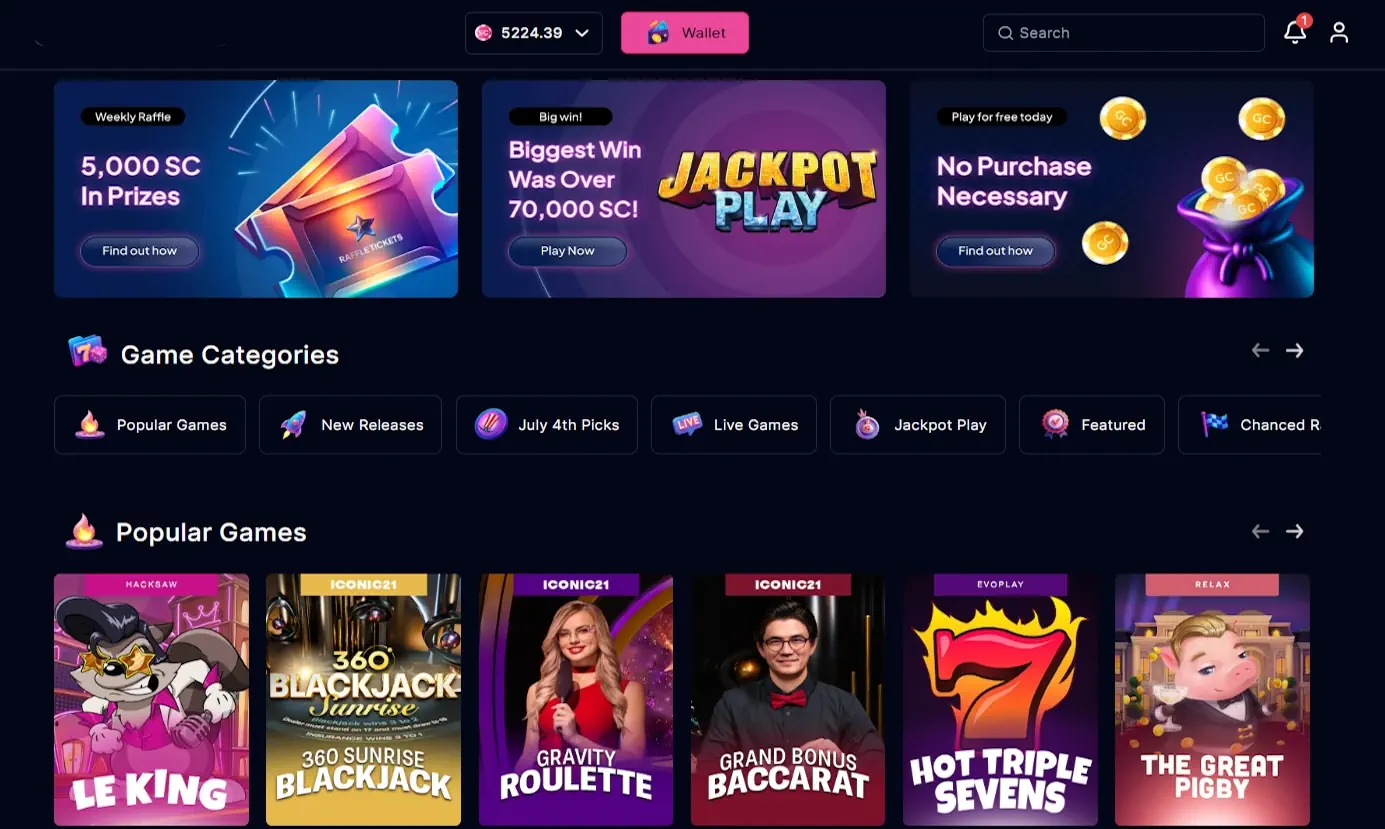
I’ve built both approaches. White label casino solution projects move faster, but turnkey gambling platform builds let you control every workflow and UI.
| Brand | key specification | price range | your verdict |
|---|---|---|---|
| Pragmatic Play (content) | aggregates slots via partners | $0-$2k/mo (partner terms) | Great game depth |
| SoftSwiss (platform) | ready iGaming dashboard | $2k-$10k/mo | Fast to launch |
| BetConstruct (platform) | custom sportsbook/casino | $5k-$25k/mo | Best for heavy customization |
| White Label (generic) | turnkey iGaming website templates | $1k-$6k/mo | Good for MVPs |
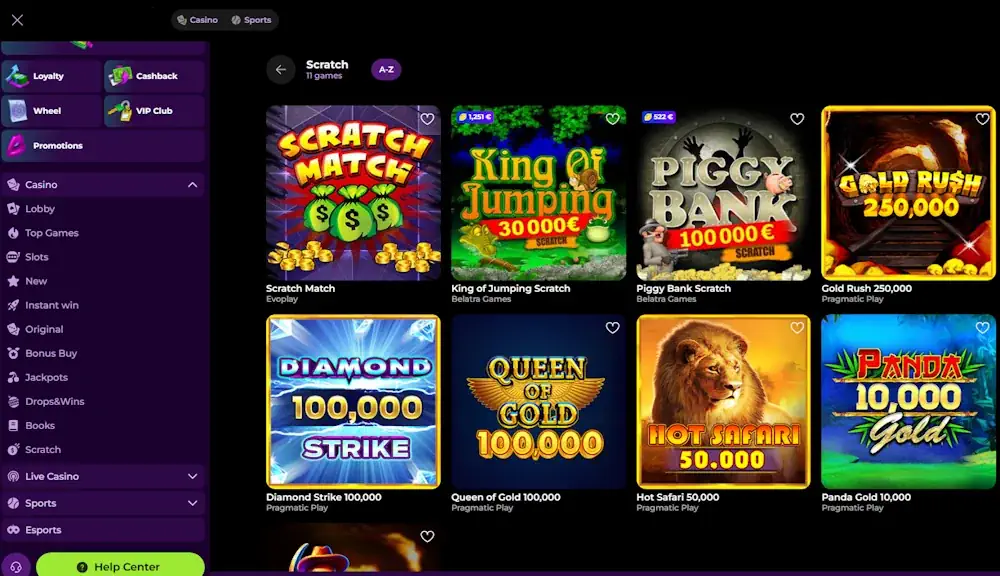
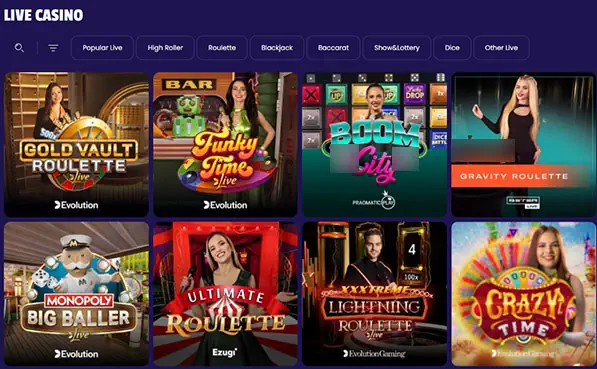
I’ve used slot game aggregation stacks to cut time. With b2b slot solutions, you connect casino game supplier feeds and normalize jackpots, RTP, and metadata into one slot content integration layer. RTP/jackpot sync is the make-or-break step.
Third-party game integration gets messy fast unless the game integration API is consistent. I’ve integrated NetEnt and Microgaming titles through an iGaming API integration layer, then tested latency and session teardown hard. Game session IDs must persist end-to-end.
Bad game integration doesn’t crash loudly—it quietly breaks payouts, especially during session restart.
I’ve seen gambling operators lose days to broken webhooks. Payment integration for online casinos needs retries, idempotency, and matching ledger rows.
Idempotency
For multi-tenant casino software, I plan capacity before launch. With AWS, I’ve scaled an online casino platform from 200 to 2,500 concurrent users by adding replicas and caching game lists.
| Layer | Target metric | How I measured |
|---|---|---|
| API gateway | <200ms p95 | k6 load tests |
| Wallet service | zero duplicate credits | ledger audits |
| Game list cache | hit rate >95% | Redis stats |
| DB | <50ms query time | AWR/pg_stat |
200→2,500 concurrent was the moment I trusted my scalable casino platform setup.
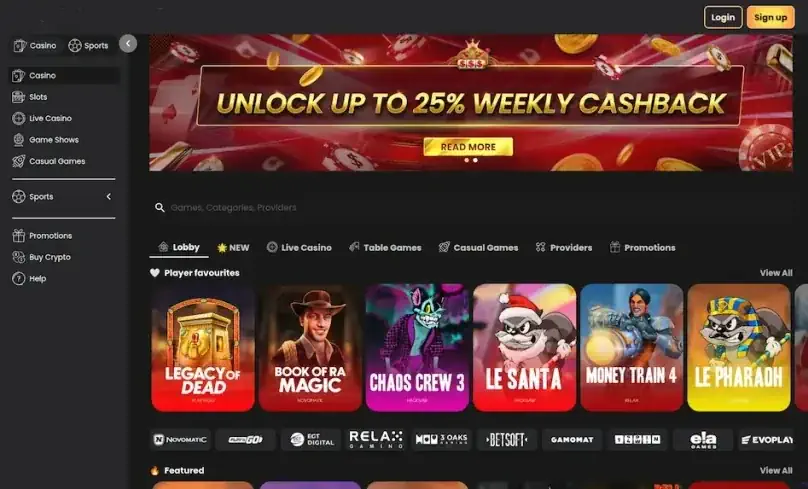
I tighten casino website development by starting with one design system and one CMS workflow. In my last build, we migrated 120 game cards and promo banners in 2 days using Contentful and versioned templates. 2 days was the fastest go-live sprint I’ve had.
I’ve chosen turnkey online casino builds when the clock matters, and white label iGaming platform setups when marketing wants freedom. My rule: if you need sportsbook and casino integration plus hard compliance fast, turnkey casino launch services win. turnkey gambling platform wins on speed; customization wins on long-term ownership.
From my deployments, a typical timeline is 4–8 weeks, assuming games, API wiring, and UAT are ready. Delays usually come from wallet and compliance checks.
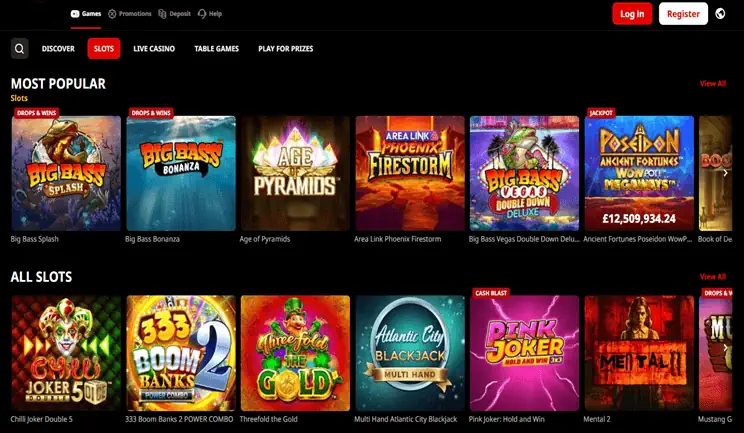
Session continuity. In practice, game session IDs must persist end-to-end, or payouts can silently fail during restarts.
Idempotency and matching ledger entries. I’ve seen “duplicate credits” happen when webhook retries aren’t handled safely.
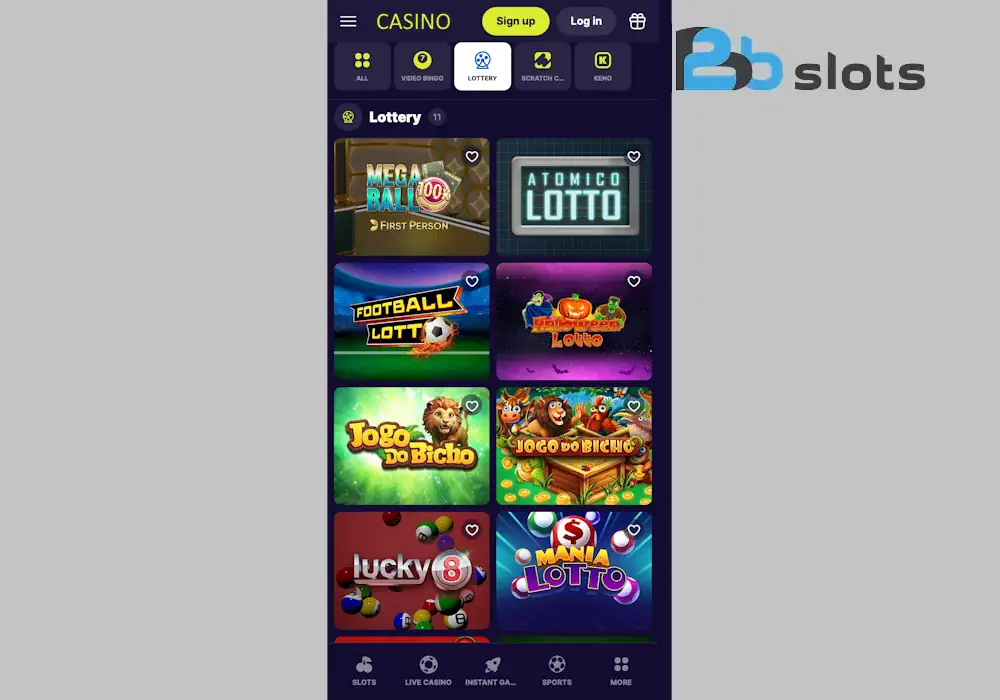
I pick turnkey online casino when speed rules and compliance needs to land fast. I choose white label iGaming platform when you want deeper long-term customization.
Standardize one design system and CMS workflow. In my last build, migrating 120 game cards and promos took 2 days with Contentful.